


XRF Gold Analysis: The Future of Gold Testing

Gold testing has evolved significantly over the years. Traditional methods like acid testing and fire assay have served the industry well but come with limitations such as being time-consuming, destructive, or requiring skilled labor. Today, I want to introduce you to a technology that is transforming how we analyze gold - XRF gold analysis. This method offers a fast, non-destructive, and highly reliable way to determine the purity and composition of gold items.
In this post, I will walk you through what XRF technology is, how it works, its accuracy, and why it is becoming the preferred choice for jewelers, hallmarking centers, gold exchange shops, government labs, and retail jewelers. I will also share practical tips on using this technology effectively and how it supports businesses aiming to maintain high standards in gold testing.
Understanding XRF Gold Analysis Technology
XRF stands for X-ray fluorescence. It is a technique that uses X-rays to excite atoms in a sample, causing them to emit secondary (fluorescent) X-rays. These emitted rays have energies characteristic of the elements present in the sample. By measuring these energies, the device can identify and quantify the elements, including gold and its alloying metals.
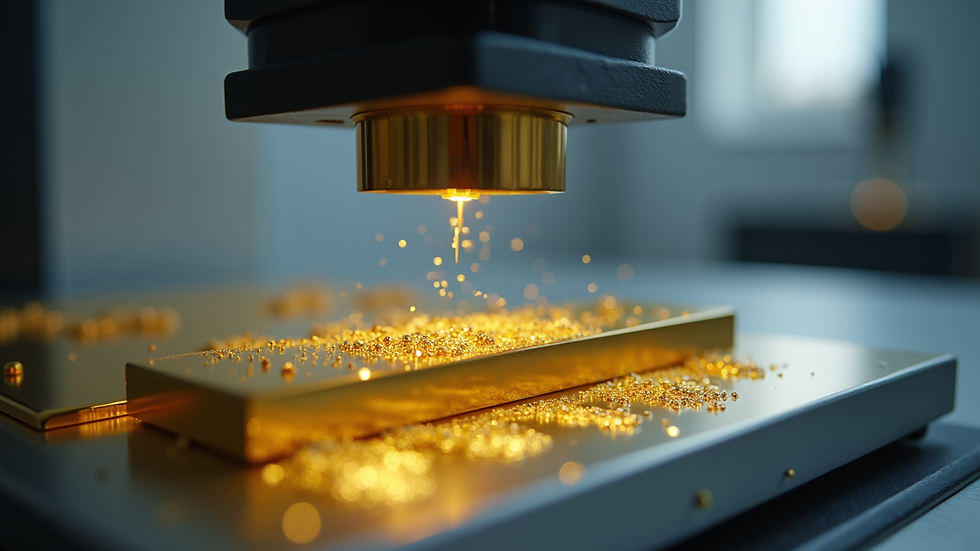
The process is simple and fast. You place the gold item under the XRF analyzer, and within seconds, it provides a detailed breakdown of the metal composition. This includes the percentage of gold, silver, copper, and other metals present.
Key benefits of XRF gold analysis include:
Non-destructive testing: No damage to the item being tested.
Speed: Results are available in seconds.
Portability: Many XRF analyzers are handheld and easy to use on-site.
Accuracy: Provides precise elemental composition.
Versatility: Can test various forms of gold, including jewelry, coins, and scrap.
This technology is especially valuable in environments where quick decisions are necessary, such as gold exchange shops or hallmarking centers.

Why XRF Gold Analysis is Revolutionizing the Industry
The gold industry demands accuracy and efficiency. Traditional methods like fire assay, while accurate, are destructive and take time. Acid testing is quick but less precise and can damage the item. XRF gold analysis bridges this gap by offering a reliable, fast, and non-destructive alternative.
Here are some reasons why this technology is gaining traction:
Improved Customer Trust: Customers want assurance about the purity of their gold. XRF provides transparent and verifiable results.
Regulatory Compliance: Hallmarking centers and government labs require precise testing to meet legal standards. XRF meets these requirements efficiently.
Cost-Effectiveness: Reduces the need for consumables like acids and lowers labor costs by simplifying the testing process.
Environmental Safety: Eliminates the use of hazardous chemicals.
Portability and Convenience: Enables on-the-spot testing at retail locations or during gold exchanges.
Businesses that adopt XRF technology can streamline operations, reduce errors, and enhance their reputation for quality.
How Accurate is the XRF Gold Testing Machine?
Accuracy is a critical factor when choosing a gold testing method. XRF analyzers are known for their high precision, but it is important to understand their capabilities and limitations.
Accuracy factors include:
Calibration: Regular calibration with certified reference materials ensures reliable results.
Sample Surface: Clean, flat surfaces yield better readings. Irregular or dirty surfaces can affect accuracy.
Penetration Depth: XRF analyzes only the surface layer, typically a few microns deep. This means plated or coated items may show misleading results.
Elemental Range: XRF can detect a wide range of elements, but very light elements (like carbon) are harder to measure.
In practice, XRF gold analyzers can achieve accuracy within 0.1% to 0.5% for gold content, which is sufficient for most commercial and regulatory purposes. For extremely precise measurements, fire assay remains the gold standard, but XRF provides a reliable and rapid alternative for everyday use.
Recommendations for maximizing accuracy:
Always clean the gold item before testing.
Use certified calibration standards regularly.
Be cautious with plated or heavily alloyed items.
Combine XRF results with visual inspection and other tests if needed.
By following these guidelines, you can trust the results and make informed decisions quickly.
Practical Applications of XRF Gold Analysis in Business
Integrating XRF gold analysis into your workflow can bring tangible benefits. Here are some practical ways to use this technology effectively:
1. Jewelry Retail and Appraisal
Quickly verify the purity of gold jewelry before sale or purchase. This builds customer confidence and prevents fraud.
2. Hallmarking Centers
Ensure compliance with legal standards by accurately testing gold items before hallmarking. XRF speeds up the process and reduces backlog.
3. Gold Exchange Shops
Assess the value of gold items on the spot. This allows for transparent transactions and faster service.
4. Government and Regulatory Labs
Use XRF as a screening tool to identify samples that require further testing. This optimizes lab resources.
5. Scrap Gold Processing
Sort and grade scrap gold efficiently to maximize recovery and profitability.
Tips for implementation:
Train staff thoroughly on operating the XRF analyzer.
Establish standard operating procedures for sample preparation and testing.
Maintain a log of test results for quality control and traceability.
Regularly update software and firmware of the XRF device.
By embedding XRF gold analysis into your operations, you can improve accuracy, speed, and customer satisfaction.
Future Trends in XRF Gold Analysis Technology
The future of gold testing is closely tied to advancements in XRF technology. Here are some trends to watch:
Improved Portability: Smaller, lighter devices with longer battery life will make on-site testing even easier.
Enhanced Software: Better data analysis, cloud connectivity, and integration with inventory systems.
Higher Sensitivity: Advances in detector technology will improve detection limits and accuracy.
Automation: Automated sample handling and testing will reduce human error.
Sustainability: Continued reduction in chemical use and waste.
MicroAnalytik is committed to staying at the forefront of these innovations, providing advanced gold testing and hallmarking machines that meet evolving market needs in India and beyond.
Embracing XRF Gold Analysis for Reliable Results
Adopting XRF gold analysis technology is a strategic move for any business involved in gold testing. It offers a balance of speed, accuracy, and convenience that traditional methods cannot match. By investing in this technology and following best practices, you can enhance your service quality, comply with regulations, and build trust with your customers.
If you want to explore more about how xrf gold testing can transform your operations, consider reaching out to trusted providers who specialize in advanced gold testing solutions.
The future of gold testing is here, and it is powered by XRF technology.


Comments